A few weeks ago I found myself staring at a venue hire form, wondering where to put something that didn’t quite belong. The event fitted every category we had. Community. Workshop. No alcohol. Twenty-five people. Downstairs Studio. The practical questions all had answers.
It was everything else that refused to settle.
The organiser wasn’t simply hiring a room. They were trying to make a space where a particular group of people might feel comfortable enough to arrive, stay, and perhaps come back. None of that appeared on the form. It wasn’t supposed to. The form was doing exactly what it had been designed to do.
It made me think about the difference between recording something and understanding it.
I spend much of my working week surrounded by systems designed to reduce uncertainty. Calendars, invoices, contracts, safeguarding policies, booking procedures. They don’t interest me because they’re orderly. They interest me because they’re attempts to anticipate human behaviour, and human behaviour has a habit of escaping the categories made for it.
I’ve come to think that poetry has a similar problem.
When people ask what a poem is ‘about’, they’re often asking it to behave like a report. Tell me what happened. Explain yourself. Give me the important information.
But most of the poems I return to don’t seem interested in doing that. They linger over details that would be edited out of almost any official account. A hedge. A cracked paving slab. The scent inside a church hall. A bus route. A pair of shoes. The way a place feels different after somebody has left it.
None of those things explain anything on their own.
Together, they begin to suggest a life.
I’ve realised that many of my own poems begin in places where language is trying to be useful. A planning notice pinned to a fence. A church leaflet. A map. A family story repeated until nobody remembers where it came from. The language itself isn’t poetic. That’s never really been the point. I’m interested in what gathers around it: the things that leak out at the edges, or refuse to stay inside the frame.
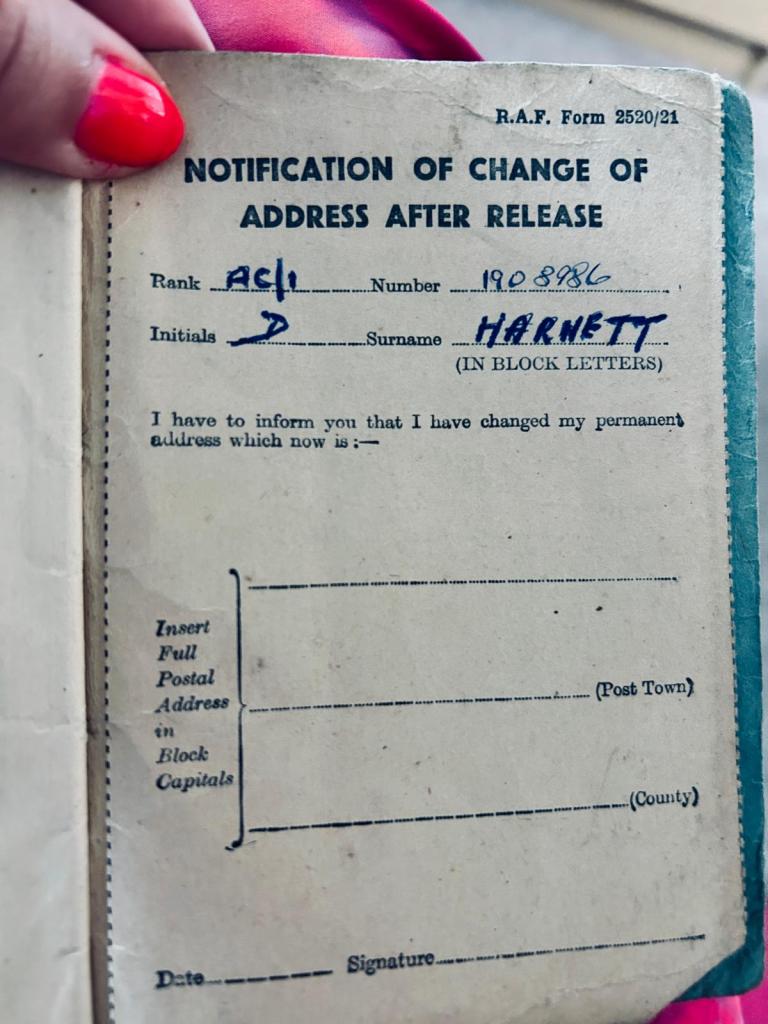
Perhaps that’s why I like archives, forms and old documents. Not because I imagine they’ll reveal the truth if I look hard enough, but because they’re always incomplete. Every document tells you something. Every document leaves something out.
Writing starts somewhere in that gap.
It’s tempting to imagine that poetry sits outside the everyday business of organising the world. My experience has been the opposite. The more time I spend with forms and procedures, the more I notice the strange, stubborn residue that remains once the paperwork is finished. That’s often where a poem begins.
Not because the paperwork has failed.
Simply because it was never designed to hold everything.

